CASE STUDY: Nebraska University System
A strategic plan that lives and breathes across four campuses
~30
minutes to build the monthly President's Council report
4
campuses in one live view, a system first
1,138
initiatives tracked system-wide
Large systems have never had trouble producing strategic plans. The University of Nebraska System's previous plans were built by large committees, sometimes a hundred contributors, and turned into genuinely thoughtful documents. What a document cannot do is tell you whether any of it is happening. As Vanessa Roof, Director of Enterprise Data Services, put it, they were "ideas, not metrics that you can track."
When Dr. Jeffrey Gold became president, he brought a different approach: one system-wide plan, built around 5 pillars and 14 strategies, with every campus expected to contribute and the technology to hold it. Today 1,138 initiatives from all four campuses live in one view, and Dr. Gold reviews real progress at President's Council every month. Here is how a four-campus, 8,000-employee system got there, and why the enterprise data leader who ran the rollout calls it one of her favorites.
ORGANIZATION:
Nebraska University System
INDUSTRY:
Public university system, 4 campuses, ~50,000 students
System-wide strategic plan execution and campus alignment
The Challenge
The real challenge: a plan you could read but couldn't measure
Strategic planning at this scale had always been a fragmented exercise, not for lack of care. Plans were written by large committees and produced with real polish. They just weren't built to be measured.
"All the strategic plans we've had before are either just a Word document, or maybe you had a Word document and handed it to the marketing people and they made this cool pamphlet with pictures and shiny paper. But you can't do anything with it." — Vanessa Roof, Director of Enterprise Data Services, University of Nebraska System
A polished document can hold the ambition, but it cannot show whether the daily work is actually connecting to it. That link is exactly what accreditors, boards, and leadership all eventually want to see, and when the plan lives on paper, it is hard to point to. Never for any lack of effort, only because the connection between the work and the plan was not visible anywhere.
"Nobody knew. Everybody works really hard, but they don't always work together." — Vanessa Roof, Director of Enterprise Data Services, University of Nebraska System
At the system level, prior plans tracked a small handful of metrics across a few broad topic areas. Vanessa's team compiled what it could from the university's data warehouse and delivered it to leadership on request. There was no shared platform, no standard process, and no way for a campus to see how its work fed the bigger picture.
The Solution
One framework, four campuses, one platform
Dr. Gold's plan was built to be tracked from the start: 5 pillars and 14 strategies, with every campus, college, and department contributing objectives, strategies, and initiatives tied to that framework. VisionSync was selected as the system-wide platform to hold it.
Implementation ran through Vanessa's Enterprise Data Services team, the same group that operates the university's data warehouse and reporting infrastructure. That matters, because she has stood up a lot of enterprise systems and had a clear basis for comparison.
"It was one of my favorite implementations, because you guys just made it easy." — Vanessa Roof, Director of Enterprise Data Services, University of Nebraska System
Single sign-on went in cleanly. Department and college codes were mapped in the background across SAP, PeopleSoft, and the academic hierarchy so richer reporting would be possible later.
The part no platform can do by itself is the part Vanessa is most direct about. A system this size doesn't adopt anything because a tool is good. It adopts because someone on each campus makes it make sense to the people doing the work.
"I can do all the reporting I want, but if we don't have that champion working across the campus and explaining what's going on and working with people, it's just not going to happen." — Vanessa Roof, Director of Enterprise Data Services, University of Nebraska System

The Results
What four campuses look like in one view
System-wide visibility, for the first time. 1,138 initiatives from across the four campuses now sit in one place, giving leadership a real-time picture of strategic progress. Dr. Gold reviews it monthly at President's Council, where Vanessa presents progress by campus and by pillar. Her workflow is an export, about 30 minutes of formatting into the paper packet he prefers, and delivery. Before, this simply did not exist in any form.
An implementation an enterprise IT leader ranks among her favorites. SSO landed cleanly, the background code mapping was handled, requirements changed mid-rollout, and the July launch held anyway. For a four-campus system running SAP and PeopleSoft, that is the whole ballgame.
A platform people are willing to open. At this scale, adoption dies on clunky software. Vanessa's read after a full year: "I like logging into VisionSync. Yours is intuitive, it's not clunky. It's aesthetically very pretty." She also singled out putting the visualizations on the first tabs, because that is where leaders actually go.
One platform covering several obligations at once. At UNO, Chief of Staff Keristiena Dodge uses the same system to track strategic plan initiatives, audit items, and accreditation requirements together rather than running three separate processes.
"She's knocking 4 things off the checklist at one time, the strategic plan, an audit item, and an accreditation item, all in one spot. The platform is flexible enough it could adjust." — Vanessa Roof, Director of Enterprise Data Services, University of Nebraska System
Transparency instead of information that lives at the top. In any large system there is a natural distance between central administration and the campuses. A shared platform closes some of it.
"I think software platforms are better for that, because people can go pull it up when they want to and look at stuff. It's not locked up in the President's chamber." — Vanessa Roof, Director of Enterprise Data Services, University of Nebraska System
See VisionSync in Action
See it the way the Dr. Gold does
This is the view behind the monthly President's Council report: progress by campus and by pillar, with the charts leaders look for on the first screen rather than buried three clicks deep. Take a two-minute self-guided tour, and see the system view below.

Take the 2-minute tour
Looking Ahead
From rollout to real adoption
Year 2 shifts the work from implementation to depth. Every unit across all four campuses is being asked to connect its initiatives to the system's 14 strategies, which is a meaningful expansion of how the platform gets used. Vanessa's team is also planning a full review of all 1,138 initiatives entered so far, looking for collaboration opportunities, overlapping efforts, and places where the plan has gaps in coverage.
There is also appetite for connecting the plan to the people carrying it out. Vanessa is watching ValueSync 360, VisionSync's performance review module, with interest, since tying annual evaluations to the strategic work someone actually contributed to closes a loop most institutions leave open.
"Annual evaluations are such a big part of teams and cohesion and buy-in. I'm really excited that you're thinking about how to incorporate that evaluation piece into VisionSync." — Vanessa Roof, Director of Enterprise Data Services, University of Nebraska System
She describes adoption in three phases: implementation, then true adoption, then strategic learning. The last one is the point. Once you are using the data to judge what is working, stop what isn't, and decide what comes next, you have stopped tracking a plan and started executing one. That framework applies well beyond higher education.
None of it happens because software arrived. It happens because a system decided its plan should be measurable, and because people on each campus were willing to make that real. The University of Nebraska System was among the earliest to bet on that, at a scale that tested everything, and it shaped how we support large institutions today. We are grateful for it.
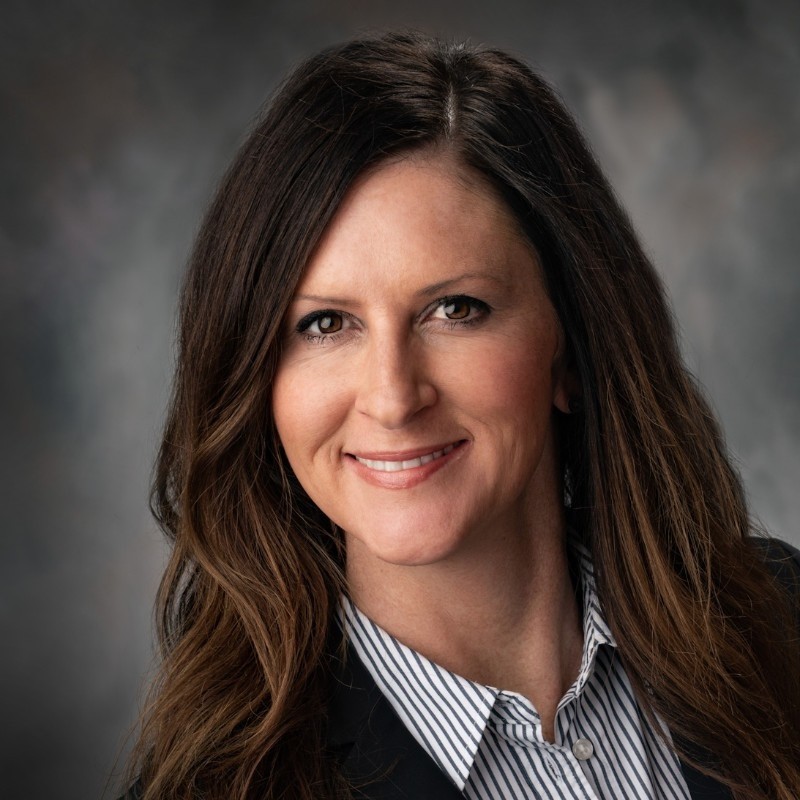
Vanessa Roof
Director of Enterprise Data Services, University of Nebraska System
Testimonials



FAQ
NE University System FAQs
How does the University of Nebraska System use VisionSync across four campuses?
Every campus, college, and department enters objectives, strategies, and initiatives tied to the system's 5 pillars and 14 strategies. There are currently 1,138 initiatives in the system, giving leadership one live view across all four campuses.
How long does President's Council reporting take?
About 30 minutes. The Director of Enterprise Data Services exports the data, formats it into the president's preferred packet, and delivers it monthly.
How did implementation go at system scale?
Single sign-on integrated cleanly, department and college codes were mapped across SAP, PeopleSoft, and the academic hierarchy, and the July launch held. Team members were adding progress within the first 90 days after launch.
What does the strategic framework look like?
5 pillars and 14 strategies, with objectives, strategies, and initiatives entered by units across the system.
Who leads it?
Dr. Jeffrey Gold, President, sponsors the plan and reviews progress monthly. Vanessa Roof, Director of Enterprise Data Services, operates the platform.