CASE STUDY: Pittsburg State University
From 343 initiatives to 130 focused priorities

130
2
Strategic plans aligned at once, KBOR and PSU
0
Work lost through president transition
For most universities, strategic planning is an annual ritual: build a spreadsheet, route it through leadership for sign-off, and file it away until next year. Pittsburg State University, a regional public university in southeast Kansas, did exactly that for years, and like most institutions, worked hard inside that process. What it didn't have was a clear, easy and visual way to track actual progress throughout each cycle. Dan Shipp, then-President of PSU, had worked with the creators of VisionSync at a former institution and knew it would be the perfect fit for bringing PSU's new strategic plan to life. He tasked Jaime Dalton, PSU's Executive Director of Planning and Special Projects, with bringing VisionSync to campus, and PSU became one of the early higher-ed institutions to prioritize planning at this level.
Today PSU runs its entire strategic plan in one living system. Year 1 brought the whole campus in, 343 initiatives across 10 goals and 65 strategies. In Year 3, with the onboarding of a new President and the desire for a further-simplified strategic plan, PSU refined that into the 130 initiatives that make up its current plan cycle, a shift the university was able to make after seeing the prior plan in action so clearly. The dashboard gets pulled up live in meetings, teams across campus keep their own progress current, and it carried the institution through a presidential transition.
Here is how that happened, and why Jaime calls it a life-saving tool for campus planning.
ORGANIZATION:
Pittsburg State University, Kansas
INDUSTRY:
Higher Education / Public University
Strategic plan execution and institutional alignment
The Challenge
The real challenge: a plan that lived on a shelf
Like a lot of institutions, PSU treated strategic planning as a once-a-year exercise. A plan was built in spreadsheets, passed through leadership for sign-off, and filed away. There was no follow-up mechanism, no central place to track progress, and no loop that connected anyone's work back to the plan. People worked hard, but in silos, with no way to see how their efforts laddered up to institutional goals or where two departments were quietly doing the same thing.
The record itself was fragile. The person who ran planning kept a physical binder of spreadsheets and flipped through it to find things, and institutional memory depended on whether a copy happened to be filed somewhere. So when the next cycle came around, the honest reaction was usually some version of "oh yeah, did you do any of that stuff?"
That is not a failure of effort. It is what happens to any plan without a system behind it.
"It literally all just went from one office to another in a spreadsheet. People saw it and signed off, or said they did, and it landed on a shelf somewhere." — Jaime Dalton, Director of Strategic Planning, Pittsburg State University
The Solution
One system, two strategic plans
PSU moved its whole strategic plan into VisionSync: 10 goals, 65 strategies, and what grew to 343 initiatives. Year 1 was about participation. Then-president Dan Shipp wanted the entire campus thinking strategically, so the goal was to get work from every corner of the institution represented in one system. Get everyone involved first, then refine.
Jaime ran the build from the president's office, and this is where she got inventive. A regional public university answers to two plans at once, its own and the Kansas Board of Regents', and most systems make you pick one. Instead she used VisionSync's labels to tag every initiative against both, plus whether it was a primary or additional priority and which departments it depended on. One plan, structured so a KBOR report and a PSU report could both come out of it without rebuilding anything.
"I'm having the KBOR pillars be a label, and the Pitt State pillars be a label, so we can pull all that when we need to." — Jaime Dalton, Director of Strategic Planning, Pittsburg State University
The software was the fast part. Getting an entire campus to trust a new system and keep it current is the slow, human work, and it took someone with standing in the president's office to carry it. Jaime along with the VisionSync team trained users across divisions and kept after it.

The Results
A living system the whole campus can see
From a shelf to a living system. What used to be a static annual spreadsheet is now a centralized, searchable, real-time platform. Jaime uses it live: "There's been multiple meetings I've been a part of already where I can quickly scale down to whatever department we're talking about and show them their information."
A broad view that made refinement possible. With every initiative in one place, PSU could finally see all the parts of the puzzle at once. That perspective is what made Year 2 possible. The team can break work down, combine related efforts, and see where initiatives overlap, and it used that view to refine 343 initiatives into the 114 that make up the current plan cycle under the new president.
"I can connect the dots and say, hey, you're all working on this, we're going to put it in as one initiative with you all being users on it, and hopefully have some resource sharing and saving." — Jaime Dalton, Director of Strategic Planning, Pittsburg State University
Continuity through a leadership change. Mid-implementation, PSU changed presidents. Dr. Thomas Newsom could see the full scope of existing commitments before setting his own direction, and staff could confirm their prior work was preserved. As Jaime described the reaction: "People asked, what about what we did before, can I get back to that? And I'm like, yes, it's all still out there, that's exactly the point. They were really grateful for that." That is a use case no binder could serve.
One structure, every framework. Jaime's labeling system tracks alignment with KBOR pillars, PSU's own plan, primary versus additional initiatives, and cross-department dependencies at the same time. When the Kansas Board of Regents asks how PSU aligns with the statewide plan, the report is already structured and ready to pull.
Teams that keep their own plan current. Where updates once ran through one person, teams now update their own initiative progress on a quarterly cadence, with automated reminders doing the chasing. Leadership can see engagement at a glance. The new president is building on that foundation, planning to celebrate completed initiatives and recognize the people behind them. In Jaime's words, he wants people to "feel like it's a culture here, something they want to be a part of and be proud of."
Recognized beyond campus. PSU's AVP of IT and Jaime presented their VisionSync implementation at the MHEC (Midwestern Higher Education Compact) conference in Chicago, where peers followed up with strong interest.
See VisionSync in Action
See it the way PSU does
This is the same kind of live view Jaime pulls up in meetings: every goal, strategy, and initiative in one place, filterable down to a single department on the spot. Take a two-minute self-guided tour, and see a real plan dashboard below.

Take the 2-minute tour
Looking Ahead
From more to focused impact
With the plan now focused at 114 initiatives, Jaime serves as the intake point for new work, connecting related efforts before they enter the system so it stays that way as the plan grows.
"When people hear strategic planning, they kind of panic and think, okay, we're going to have 25 initiatives, because we're going to show that we're working so hard. That's not what we're looking for here." — Jaime Dalton, Director of Strategic Planning, Pittsburg State University
The team is also extending the platform in ways that started as creative labeling: exploring VisionSync for enterprise risk management, tying cabinet-level risk mitigation directly to the strategic plan, and for HLC accreditation evidence gathering through the same label structure. Jaime is building a PSU strategic planning website powered by VisionSync data, standing up a campus committee to celebrate wins, and connecting VisionSync to other Kansas institutions through KBOR relationships.
None of this comes from software alone. It comes from a campus willing to make strategy visible and shared, and from a champion who saw the gap early and built something durable inside it. PSU was one of our early higher-ed partners, and the way Jaime has stretched the platform has shaped how VisionSync serves institutions like PSU. We are grateful for it.
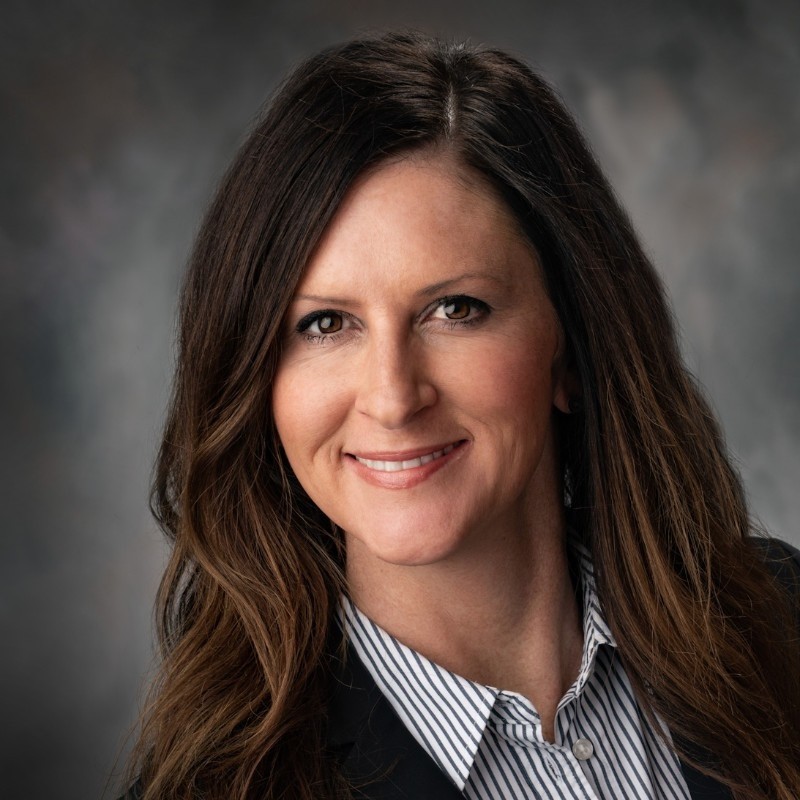
"A life-saving tool for campus planning."
Jaime Dalton
Director of Strategic Planning, Pittsburg State University

Testimonials


FAQ
Pittsburg State University FAQs
How large is PSU's strategic plan in VisionSync?
Ten goals, 65 strategies, and 343 initiatives in Year 1, refined to 130 initiatives in the current plan cycle.
How did VisionSync help during PSU's presidential transition?
It gave the incoming president full visibility into existing strategic commitments before he set direction, and it preserved the prior administration's work as institutional memory.
How does PSU align with the Kansas Board of Regents?
A labeling system tags every initiative to both KBOR pillars and PSU's own pillars, so statewide alignment reports are already structured and ready to pull.
Who leads strategic planning at PSU?
Jaime Dalton, Director of Strategic Planning, from the president's office.
What is PSU doing with VisionSync next?
Beta testing PulseIQ for reporting and analysis, and extending the platform into enterprise risk management and HLC accreditation evidence gathering through its label structure.